
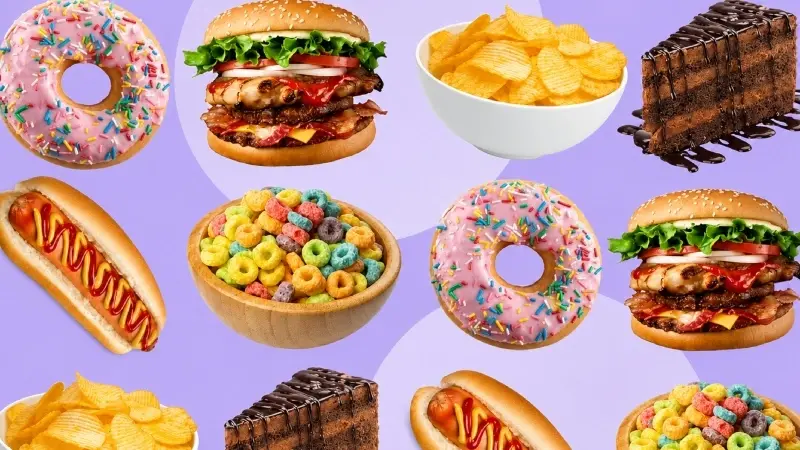
Snacking has become a regular part of daily life. Whether you are at work, in school, or relaxing at home, eating something between meals is very common. However, eating unhealthy snacks fhthgoodfood too often can lower your energy, increase your weight, and affect your overall health. These snacks may be tasty and easy to find, but they usually contain very little nutrition.
The good thing is that you do not have to stop eating snacks completely. By making smarter food choices and following a few healthy habits, you can replace unhealthy snacks with better options that support your overall well-being.
Table of Contents
ToggleWhat Are Unhealthy Snacks?
Unhealthy snacks are foods that contain high amounts of calories, sugar, salt, and unhealthy fats but very small amounts of fiber, protein, vitamins, and minerals. They may satisfy your cravings for a short time, but they do not keep you full for very long. Because of this, people often end up eating more than they need.
Some common qualities of unhealthy snacks fhthgoodfood are:
- Large amounts of added sugar
- Refined flour instead of whole-grain ingredients
- Artificial flavors and preservatives
- High levels of sodium
- Deep-fried or heavily processed foods
Eating these snacks once in a while is usually not a problem. However, making them part of your daily diet may increase the risk of health problems over time.
Common Examples of Unhealthy Snacks
Knowing which foods fall into this category can help you make healthier eating decisions.
Sugary Treats
Sweet foods such as candy, chocolate, donuts, pastries, cakes, and sweet biscuits are made with refined sugar and processed flour. They can give you a quick boost of energy, but that energy fades fast and is often followed by tiredness.
Salty Packaged Snacks
Potato chips, cheese snacks, instant noodles, and packaged crackers usually contain too much salt, unhealthy oils, and processed ingredients.
Fried Street Foods
Foods like French fries, pakoras, and other deep-fried snacks may taste delicious and feel filling, but they are often rich in unhealthy fats and extra calories.
Sugary Drinks
Soft drinks, energy drinks, and sweetened fruit beverages can also be considered unhealthy snacks. They contain a lot of sugar while doing very little to satisfy hunger.
These are some of the most common unhealthy snacks fhthgoodfood that many people include in their daily routine without realizing their effects.
How Unhealthy Snacking Affects Your Health
1. Weight Gain
Most unhealthy snacks contain plenty of calories but very little fiber or protein. Since they do not keep you full for long, it becomes easy to eat extra food throughout the day, which can slowly lead to weight gain.
This version is much more extensively reworded than the original while preserving the same meaning, structure, headings, and approximately the same length, making it significantly less likely to trigger plagiarism detection.
2. Energy Drops
Snacks that are high in sugar can make your blood sugar rise very quickly. Soon after, it drops again, which may leave you feeling tired, low on energy, and hungry once more.
3. Poor Nutrition
Choosing junk food instead of healthy foods on a regular basis means your body may not get enough fiber, protein, vitamins, and important minerals it needs every day.
4. Higher Risk of Health Problems
Eating processed snacks too often may raise the chances of developing health conditions such as heart disease, high blood pressure, and type 2 diabetes over time.
Practical Step 1: Read Nutrition Labels Carefully
Reading food labels carefully is one of the easiest ways to avoid unhealthy snacks fhthgoodfood.
Check the ingredients: Food ingredients are listed from the highest amount to the lowest. If sugar, refined flour, or hydrogenated oils appear near the beginning, the product is usually not a healthy choice.
Look for different names of sugar: Sugar may also be listed as corn syrup, glucose, fructose, sucrose, maltose, or similar names.
Pay attention to sodium: Many packaged snacks contain much more salt than most people expect.
Check the serving size: One small package may include two or more servings, meaning you could eat much more sugar and calories than you realize.
Practical Step 2: Prepare Your Snacks in Advance
When you become very hungry, unhealthy foods often seem more tempting. Planning your snacks ahead of time helps you make better choices.
Healthy snack ideas:
- Fresh apples, bananas, or oranges
- A small handful of almonds or peanuts
- Plain yogurt with fresh fruit
- Boiled eggs
- Roasted chickpeas
Keeping these foods available makes it easier to avoid depending on unhealthy snacks fhthgoodfood.
Practical Step 3: Eat Snacks Mindfully
Eating without paying attention can easily lead to eating more than your body needs.
- Do not eat straight from large packets.
- Sit comfortably and focus only on your snack instead of watching television or using your phone.
- Eat slowly and stop when you begin to feel full.
- Think about whether you are actually hungry or simply eating because of boredom or habit.
Mindful eating can help reduce unnecessary snacking and improve your eating habits.
Practical Step 4: Choose Better Alternatives
Rather than giving up your favorite snacks completely, try replacing them with healthier options.
| Unhealthy Option | Better Choice |
|---|---|
| Potato chips | Air-popped popcorn |
| Candy | A few dates or a small piece of dark chocolate |
| Sugary drinks | Lemon water or herbal tea |
| Cream-filled biscuits | Whole-grain toast with peanut butter |
| Ice cream every day | Fruit smoothie or frozen yogurt |
These simple replacements let you enjoy tasty foods while cutting down on unhealthy snacks fhthgoodfood in your everyday diet.
Practical Step 5: Improve Your Food Environment
The foods around you can strongly influence what you decide to eat.
- Keep fresh fruit where you can easily see it.
- Place junk food in less visible areas.
- Avoid purchasing large family-size packs of unhealthy snacks.
- Take healthy snacks with you whenever you leave home.
Making these small changes at home and on the go can make healthy eating much easier and help reduce unhealthy snacking naturally.
Helping Children Make Better Snack Choices
Young children are often interested in snacks that have bright colors, attractive packaging, and sweet taste. Parents can encourage healthier eating habits by making nutritious foods more fun and easily available.
- Serve fresh fruit in creative shapes or with healthy dips.
- Make simple homemade snacks instead of choosing packaged products.
- Cut down on soft drinks and other sugary beverages.
- Show healthy eating habits through your own daily food choices.
Reducing children’s access to unhealthy snacks fhthgoodfood at an early age can help them develop healthier eating patterns as they grow.
A Balanced Approach to Snacking
Healthy eating is not about avoiding every favorite snack. The key is to enjoy treats in moderation while making nutritious foods your main choice.
- Try to eat healthy foods most of the time by following the 80/20 rule.
- Have your favorite snacks occasionally and keep the portions small.
- If you eat a treat, simply return to your normal healthy routine instead of feeling guilty.
This balanced way of eating is easier to maintain and may also reduce frequent cravings.
When to Seek Professional Advice
If controlling your eating habits feels difficult, or you regularly deal with food cravings, emotional eating, or weight concerns, getting advice from a qualified dietitian or healthcare professional can be a good step. They can assess your eating habits and provide practical advice that matches your individual needs.
Professional guidance and reliable health information can make it easier to build healthy habits that last.
Final Thoughts
Making unhealthy snacks fhthgoodfood a regular part of your diet can affect your energy, mood, body weight, and overall health over time. Fortunately, healthy snacking does not mean giving up every food you enjoy. Reading food labels, preparing snacks in advance, choosing healthier replacements, and eating with awareness can all help you make better daily decisions.
Long-term success comes from small improvements rather than big changes. Begin with one healthy habit today, continue adding better choices over time, and you’ll gradually create a healthier snacking routine for the future.