Food waste has become a serious problem in homes across the world, often due to misunderstanding expiration labels. Many people discard food that is still perfectly safe to eat simply because the printed date has passed. Learning which foods can remain usable beyond their expiration date can help reduce waste, save money, and encourage smarter kitchen habits. This guide explains how expiration dates work, which foods last longer than expected, and how to evaluate food safety in a practical way. By understanding foods that stay good for some time after expiration date fhthgoodfood, you can make better and more confident food decisions without risking health or quality.
Understanding Expiration Dates
Before identifying long-lasting foods, it is essential to understand what expiration dates actually represent. In most cases, these dates are not strict indicators of safety.
Common Types of Food Dates
Best Before / Best By:
This refers to the period when the product is at its best quality, not when it becomes unsafe. Food can often be consumed safely after this date.
Use By:
Usually found on perishable items, this date is more related to safety and freshness. Quality may decline after this point.
Sell By:
This date is mainly for store inventory management and is not meant for consumers.
In many situations, these dates are only rough estimates. Proper storage conditions are often more important than the printed date itself.
Factors That Affect Food Shelf Life
Several important factors influence how long food remains safe after its expiration date:
- Storage conditions: Temperature, humidity, and exposure to light play a major role
- Packaging quality: Sealed and airtight packaging helps food last longer
-
- Handling methods: Clean storage and minimal air exposure slow down spoilage
Understanding these factors helps you judge whether expired food is still safe to consume.
Pantry Foods That Often Last Beyond Expiration
Rice and Pasta
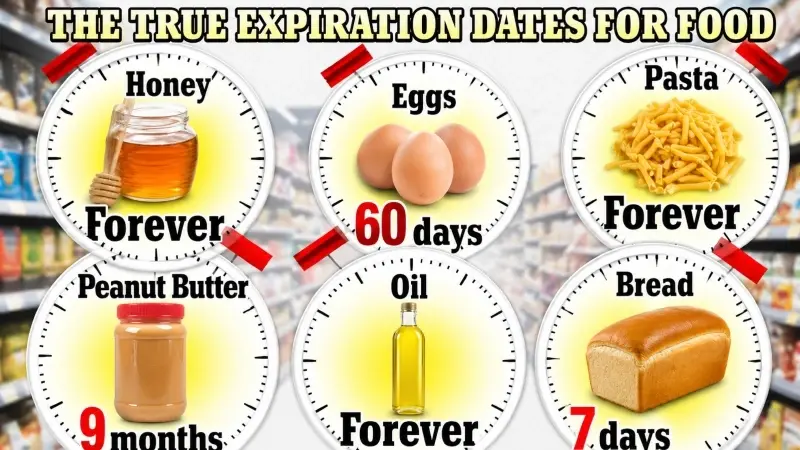
Uncooked rice and pasta can stay usable for years beyond their best-before date if stored properly in a cool and dry place. White rice usually lasts longer than brown rice because it contains less natural oil.
Flour
White flour can often remain safe for several months after its expiration date if stored in an airtight container. However, whole wheat flour has higher oil content and can spoil faster, so it should always be checked for odor or signs of rancidity.
Sugar and Salt
Sugar and salt do not typically expire. While they may form lumps due to moisture, they remain safe for long-term use as long as they are kept dry.
Dried Beans and Lentils
Dried beans and lentils may gradually lose some of their texture and take longer to cook over time, but they are generally safe to use well beyond their expiration date when stored properly in a dry place. In most cases, safety is not a major concern.
Canned Foods That Stay Safe Past Expiration
Vegetables and Beans
Canned vegetables and beans can often remain safe for one to three years beyond the printed date, as long as the cans are intact, not damaged, and stored in suitable conditions.
Soups and Broths
Commercially canned soups and broths usually stay safe for a long time after their expiration date. However, any can showing signs of bulging, rust, or leakage should be avoided.
Fish and Meat (Canned)
Canned fish like tuna, as well as chicken and salmon, can remain safe for several years. Although the taste and texture may decline, the food is generally safe if the seal is not broken.
Important Note: Never consume canned food if the container is swollen, leaking, or produces an unusual smell when opened.
Refrigerated Foods That May Still Be Safe
Eggs
When stored in the refrigerator, eggs can often be used for 1 to 3 weeks after their expiration date. A simple freshness test is placing them in water—fresh eggs sink while spoiled ones float.
Milk
Milk may stay usable for a few days beyond its printed date if it is properly refrigerated. In many cases, smell and taste are more reliable indicators than the date itself.
Yogurt
Unopened yogurt can sometimes remain safe for 1 to 2 weeks past its expiration date. The presence of live cultures helps slow bacterial growth, but any signs of mold mean it should be discarded.
Cheese
Hard cheeses such as cheddar or parmesan generally last longer than soft varieties. If mold develops on hard cheese, it can often be safely removed by cutting away the affected portion.
Frozen Foods and Long-Term Safety
Frozen foods can stay safe for an indefinite period when kept at a constant temperature of 0°F (-18°C). Generally, the dates written on frozen products are more about maintaining the best quality rather than indicating safety limits.
Examples
- Frozen vegetables
- Frozen poultry and meat
- Frozen fruits
Freezer burn may reduce the flavor, color, and overall texture of food, but it does not make the food unsafe to consume.
Condiments and Sauces After Expiration
Ketchup and Mustard
Due to their acidic composition, ketchup and mustard can often remain usable for several months beyond their printed expiration dates, particularly when stored in the refrigerator.
Soy Sauce
Soy sauce has an extended shelf life because of its high salt concentration, which naturally preserves it for a long time.
Honey
Honey is naturally resistant to spoilage. Although it may crystallize over time, gentle warming can restore its smooth texture without affecting its safety.
How to Identify Spoiled Food
Rather than depending only on expiration dates, it is more reliable to assess food using basic sensory checks:
- Smell: Strange, sour, or foul odors usually indicate spoilage
- Appearance: Mold growth, discoloration, or slimy surfaces are warning signs
- Texture: Unexpected stickiness or softness can mean the food is no longer fresh
- Taste: When appropriate and safe, a small taste can help confirm quality
If there is any uncertainty, it is always safer to throw the item away.
Practical Food Safety Guidelines
To make better use of foods that stay good some time after expiration date fhthgoodfood, follow these simple habits:
- Keep dry foods in sealed, airtight containers
- Maintain refrigerator temperature at or below 4°C (40°F)
- Freeze items that will not be used soon
- Clearly label stored leftovers with dates
- Apply the “first in, first out” method when using stored food
These practices help minimize food waste while ensuring better safety and freshness.
Common Myths About Expired Food
Myth 1: All expired food is unsafe
In reality, many foods remain safe to consume after their expiration date if they have been stored under proper conditions.
Myth 2: Expiration dates are strict safety limits set by authorities
Most of these dates are not safety deadlines; they are mainly provided by manufacturers to indicate peak quality.
Myth 3: Freezing eliminates all bacteria
Freezing does not destroy bacteria completely—it only slows their growth significantly.
Clearing up these misunderstandings helps consumers make more informed and practical food choices.
Environmental and Financial Benefits
Practicing mindful use of foods that stay good some time after expiration date fhthgoodfood can significantly reduce household food waste and lower grocery expenses. It also helps protect the environment by reducing landfill waste and decreasing greenhouse gas emissions caused by decomposing food.
When You Should Avoid Taking Risks
Some food items should never be consumed after their expiration date due to higher health risks:
- Infant formula and baby food
- Fresh seafood products
- Delicatessens and processed cold cuts
- Unpasteurized dairy products
These items are more sensitive and can become unsafe quickly, so they should always be discarded when expired.
Final Thoughts
Expiration dates should be treated as general guidelines rather than strict rules. With proper knowledge of food types, storage techniques, and spoilage signs, you can better decide what is still safe to eat. Understanding foods that stay good some time after expiration date fhthgoodfood allows you to reduce waste, save money, and manage your kitchen more efficiently. Making informed food decisions supports both personal health and environmental responsibility.