
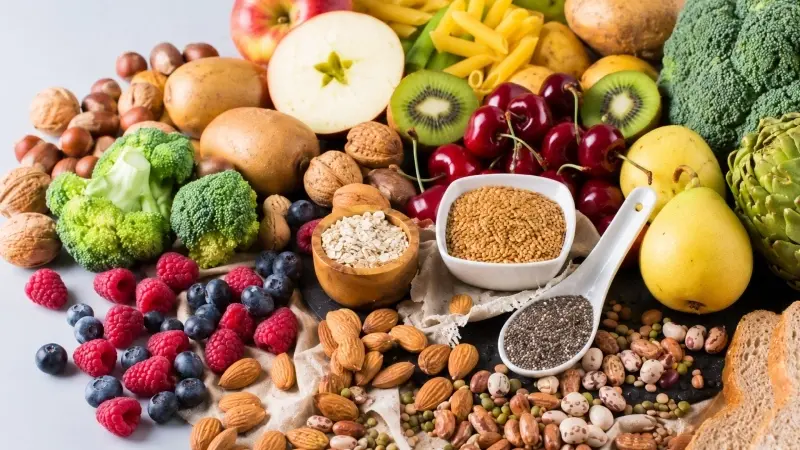
Modern life moves fast, and balancing healthy eating with work, family, and personal responsibilities can feel challenging. That is why practical nutrition tips are more important than ever. By following simple and realistic habits, you can improve your diet, boost your energy levels, and support your long-term health without relying on strict meal plans or costly supplements. In this article, you will discover useful ideas inspired by nutrition hacks fhthgoodfood that can help make healthy eating simpler, budget-friendly, and more enjoyable.
Understanding the Importance of Healthy Nutrition
Healthy nutrition is more than simply counting calories or following strict eating plans. It focuses on selecting foods that nourish your body and fit naturally into your daily routine. Smart eating habits help your body receive the right balance of protein, carbohydrates, healthy fats, vitamins, and minerals needed for better health and energy.
Even small lifestyle changes can create noticeable results over time. Drinking plenty of water, adding more fresh vegetables to your meals, and limiting heavily processed foods are simple steps that can improve overall wellness. When combined with practical nutrition strategies, these habits can make your meals more beneficial, satisfying, and supportive of long-term health.
Create Balanced Meals with Intention
One simple way to improve your eating habits is to build balanced meals that include a mix of essential nutrients. A nutritious plate should contain lean protein, healthy carbohydrates, beneficial fats, and plenty of colorful vegetables.
Protein supports muscle growth and recovery, while carbohydrates provide the body with energy throughout the day. Healthy fats are important for brain health and hormone function. Fruits and vegetables supply valuable vitamins, minerals, and fiber that help keep your body functioning properly. When these food groups are combined in the right portions, meals become both filling and nutritious.
A practical approach is to dedicate half of your plate to vegetables, one-quarter to protein sources, and the remaining quarter to whole grains or complex carbohydrates. This easy method can help control portion sizes while ensuring your body receives balanced nutrition during every meal.