Food waste is a major concern in households around the world, often caused by misunderstanding expiration labels. Many people throw away edible food simply because the printed date has passed. Learning which foods remain safe beyond their expiration dates can help reduce waste, save money, and improve food management habits. This article explains how expiration dates work, which foods last longer, and how to assess food safety using simple methods. Understanding foods that stay good some time after expiration date fhthgoodfood helps you make smarter decisions in your kitchen without risking health or quality.
Table of Contents
ToggleUnderstanding Expiration Dates
Before identifying specific foods, it is important to understand the meaning behind expiration labels. In most cases, these dates are not strict safety deadlines.
Common Types of Dates
- Best Before / Best By: Refers to quality rather than safety. Food may still be usable after this date.
- Use By: Usually applied to perishable items where quality and safety may decrease after the date.
- Sell By: Intended for retailers to manage stock, not for consumers.
These dates are generally conservative, and proper storage can extend food usability.
Key Factors Affecting Food Shelf Life
Several conditions influence how long food remains safe after its expiration date:
- Storage temperature, humidity, and light exposure
- Packaging quality, especially airtight containers
- Type of food, since dry and frozen items last longer than fresh ones
- Hygiene and handling practices during use
Dry and Pantry Foods That Last Longer
Rice and Pasta
Uncooked rice and pasta can stay usable for years beyond their best-before date if stored in a dry, cool environment.
Flour
White flour can remain good for months after expiration if kept sealed properly. Whole wheat flour spoils faster due to its higher natural oil content and should be checked carefully for smell and quality.
Sugar and Salt
Sugar and salt do not spoil easily. Even if they clump together or become hardened, they are still safe to use as long as they are stored in a dry place.
Dried Beans and Lentils
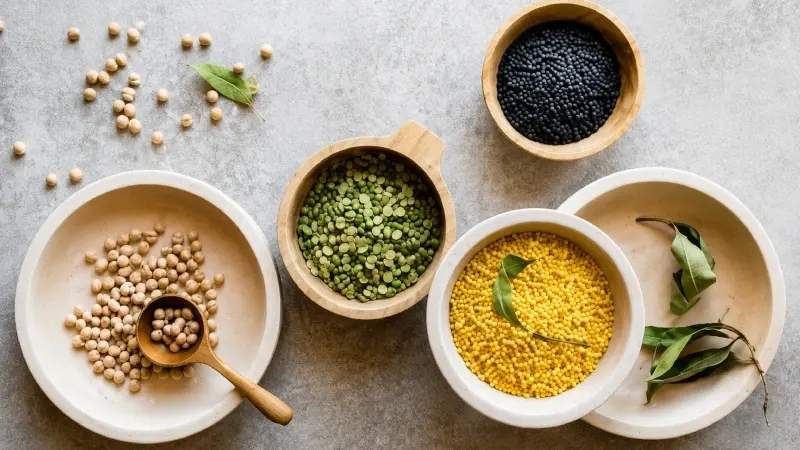
Dried legumes may lose some quality over time, but they generally stay safe well beyond their expiration date, although cooking time may increase.
Canned Foods That Remain Safe Beyond Dates
Vegetables and Beans
Canned vegetables and beans can often remain safe for one to three years past their printed date if stored properly and the can is undamaged.
Soups and Broths
Canned soups may remain safe long after expiration as long as the can shows no signs of swelling, rust, or leakage.
Fish and Meat (Canned)
Canned tuna, chicken, and salmon can last for years if sealed properly. Although taste may decline, safety is usually maintained.
Important: Never consume canned food if the container is swollen, leaking, or smells unusual when opened.
Refrigerated Foods That May Still Be Safe
Eggs
Eggs can often be used 1–3 weeks after the expiration date when refrigerated. Fresh eggs typically sink in water, while older ones float.
Milk
Milk may remain usable for a few days past its date if stored correctly. Smell and taste are more reliable indicators than the label.
Yogurt
Unopened yogurt can stay good 1–2 weeks beyond its expiration date. However, any visible mold means it should be discarded.
Cheese
Hard cheeses such as cheddar or Parmesan tend to stay fresh longer compared to soft cheese varieties. If mold appears on hard cheese, it can often be safely removed by cutting it away.
Frozen Foods and Long-Term Safety
Frozen foods can remain safe indefinitely when stored at -18°C (0°F). In most cases, expiration dates on frozen items relate to quality rather than safety.
Examples include:
- Frozen vegetables
- Frozen meat and poultry
- Frozen fruits
Freezer burn can change the taste and texture of food, but it does not make the food unsafe to eat.
Condiments and Sauces After Expiration
Ketchup and Mustard
Due to their acidic nature, these sauces can remain usable for months after expiration when refrigerated.
Soy Sauce
Its high salt concentration allows it to last for a very long time.
Honey
Honey does not spoil easily. It may crystallize over time, but gentle warming can restore its original texture without affecting safety.
How to Tell If Food Is No Longer Safe
Instead of depending only on printed expiration dates, it is better to check food using your senses:
- Smell: Any sour, unpleasant, or unusual odor is a strong sign that the food has spoiled.
- Appearance: Visible mold, strange colors, or slimy surfaces indicate it is no longer safe.
- Texture: If food becomes overly sticky or soft or changes texture unexpectedly, it may be spoiled.
- Taste: When it is safe, a very small taste can sometimes help confirm quality.
If there is any uncertainty, it is always safer to avoid eating the food.
Practical Food Safety Guidelines
To extend the usability of foods that stay good some time after expiration date fhthgoodfood, follow these simple practices:
- Store dry goods in tightly sealed containers
- Keep your refrigerator temperature at or below 4°C (40°F)
- Freeze items that you won’t use soon
- Label leftovers with clear dates
- Use older items first before newer ones (first-in, first-out method)
These habits help reduce waste and improve overall food safety.
Common Myths About Expired Food
Myth 1: All expired food is unsafe
In reality, many expired foods are still safe when stored properly.
Myth 2: Expiration dates are strict safety rules
Most of these dates are actually based on quality, not safety regulations.
Myth 3: Freezing destroys all bacteria
Freezing only slows down bacterial growth; it does not eliminate all bacteria completely.
Understanding these myths helps people make more informed choices about food.
Environmental and Financial Benefits
Using foods that stay good some time after the expiration date fhthgoodfood wisely can significantly reduce household food waste and save money. It also benefits the environment by decreasing landfill waste and reducing greenhouse gas emissions caused by decomposing food.
When You Should Never Take Risks
Some foods should always go in the trash once they reach their expiration date, including:
- Infant formula and baby food
- Fresh seafood
- Deli meats
- Unpasteurized dairy products
These foods can cause foodborne illness more easily, so people should never eat them after their expiration dates.
Final Thoughts
People should treat expiration dates as general guidelines rather than strict rules. By learning how different foods behave, how to store them properly, and how to recognize signs of spoilage, you can make smarter decisions in the kitchen. Understanding foods that stay good some time after the expiration date with FHTGoodFood helps reduce waste, save money, and maintain a healthier and more efficient lifestyle.